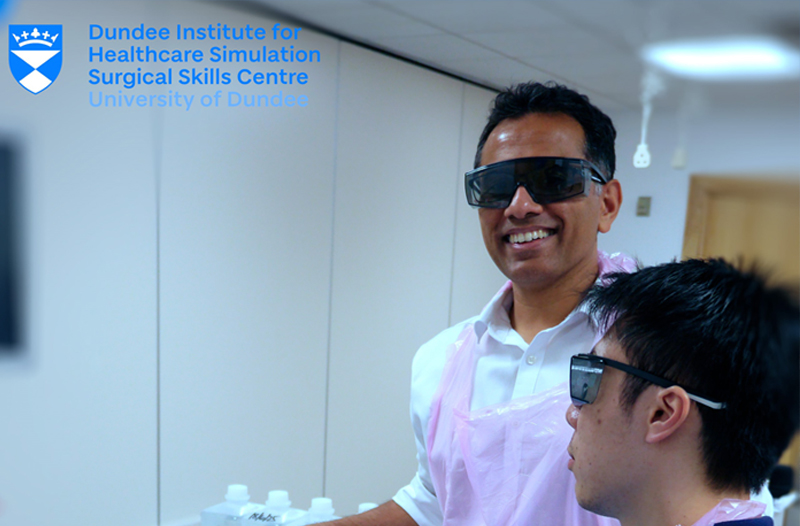

Cadaveric HOLEP Masterclass – Dundee, Scotland 2025
7 January 2026
TURP Isn’t Your Only Option Anymore: What HoLEP and Rezum Mean for BPH Treatment Today
18 June 2026Why is urination more difficult?
Understanding Prostate Enlargement (BPH) and Modern Treatment Options
1. What is BPH?
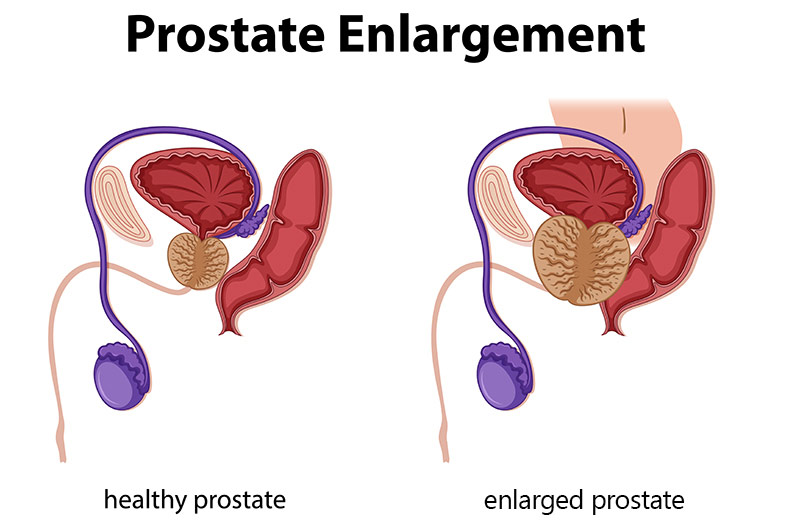
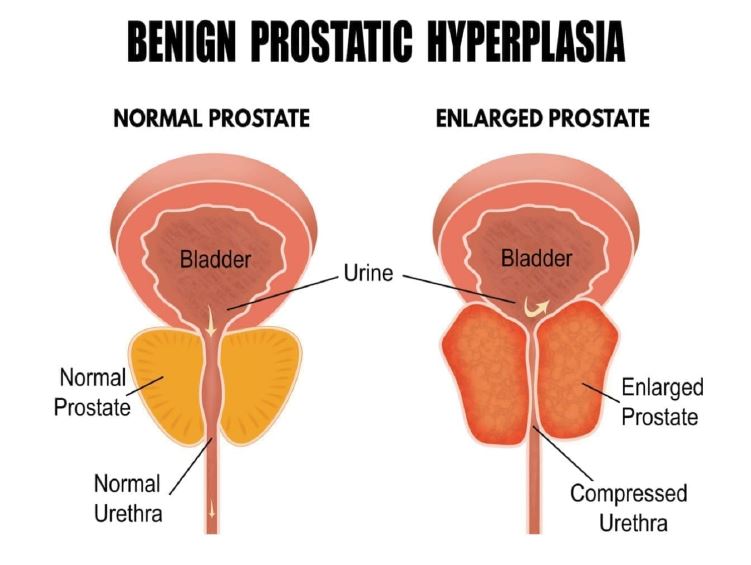
BPH stands for Benign Prostatic Hyperplasia. This means a noncancerous enlargement of the prostate gland. The prostate is a small gland found only in men. It sits below the bladder and surrounds the
urethra — the tube that carries urine out of the body. As men get older,
the prostate often grows in size. This can squeeze the urethra and make
it harder to pass urine.
Benign - Not Cancerous and no risk of cancer conversion
Prostatic - Specific to the prostate gland
Hyperplasia - Increase in the number of cells
2. Why does BPH happen?
The exact cause is not fully understood, but it is strongly linked to aging, genetics and hormone changes. As men age, testosterone levels gradually decrease, and other hormones such as oestrogen can become more active. These hormonal shifts cause the prostate cells to multiply, making the gland larger. This enlargement blocks the normal flow of urine and can irritate the bladder, leading to the symptoms of BPH.
3. What are the symptoms of BPH?
Common symptoms include:
- A weak urine stream
- Difficulty starting urination
- Needing to urinate often, especially at night
- Feeling that the bladder has not completely emptied
- Sudden, urgent need to urinate
If these symptoms affect your daily life or sleep, it’s important to discuss them with your doctor. BPH is not cancer, but the symptoms can be very similar to other prostate problems — so evaluation is important.
4. How is BPH diagnosed?
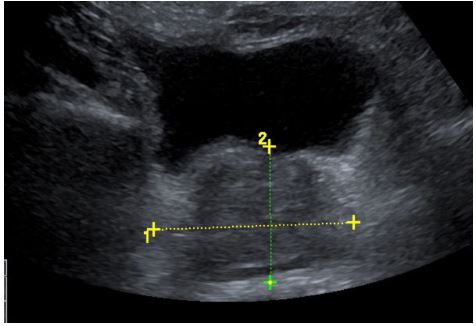
Your doctor will start with a detailed discussion about your urinary symptoms and medical history. You may complete a questionnaire called the International Prostate Symptom Score (IPSS). A physical examination, including a prostate check, may be performed. Other tests may include a urine test, an ultrasound scan to check the bladder and prostate, and a blood test called PSA (Prostate-Specific Antigen).
5. Medical treatment options
If your symptoms are mild, your doctor may recommend ‘watchful waiting’ — monitoring your symptoms without immediate treatment. For moderate symptoms, medications can help relax or shrink the prostate.
- Alpha-blockers: relax the muscles in the prostate and bladder neck, improving urine flow. Common tablets used are Uromax/Tamsul and Silodyx
- 5-alpha reductase inhibitors: shrink the prostate over time by blocking hormonal effects. This can result in several side-effects including impaired erectile function and hormonal imbalances. Common tablets are Fincar/Duodart
Sometimes, both medications are used together for better results. This can however result in an amplification of side effects.
Lifestyle changes, such as reducing caffeine and alcohol, avoiding fluids at bedtime, and regular exercise, also help.
6. Minimally Invasive Treatments – Rezūm Therapy*
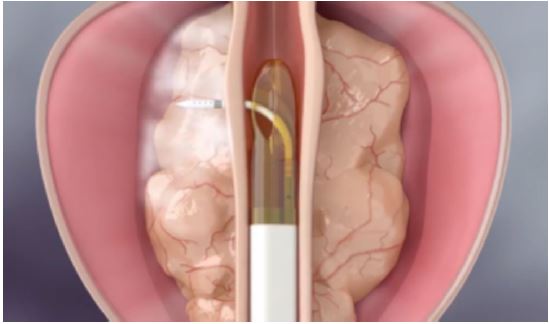
For men who prefer to avoid long-term medication or who want a quicker solution, Rezū m is a modern, minimally invasive therapy. It uses natural water vapour (steam) to shrink the prostate tissue that causes blockage. The procedure is done under light sedation, takes about 15 minutes, and usually does not require a hospital stay.
Most men notice improvement in their urinary symptoms within a few weeks. Rezū m preserves sexual function and is suitable for men with moderate prostate enlargement.
The requirement for a further procedure is low, at 4% at 5 years.
7. Definitive Treatment – HoLEP (Holmium Laser Enucleation of the Prostate)**
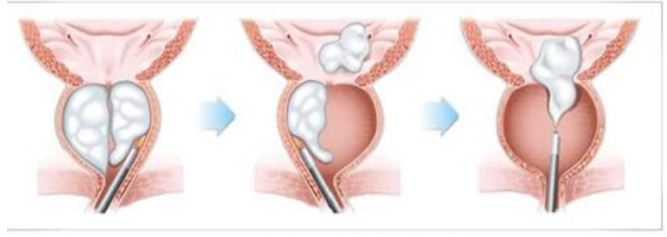
HoLEP is considered the ‘gold standard’ surgical treatment for BPH, especially for larger prostates. It uses a precision laser to remove the obstructing prostate tissue through the urethra. Unlike older operations such as TURP, HoLEP removes the entire obstructing portion, reducing the chance of recurrence.
Benefits of HoLEP include:
- Excellent long-term results (Retreatment at 1% in 20 years)
- Minimal bleeding
- Short hospital stay and quick recovery (often same day discharge)
- Durable relief with low re-treatment rates
Patients typically go home the same afternoon and can return to normal activities within a week or two. For men with severe symptoms or very large prostates, HoLEP provides the most complete and lasting solution.
After treatment, you may experience mild burning or frequency of urination for a short time. Most men experience a major improvement in quality of life once their urinary symptoms improve.
9. References and further reading
- American Urological Association (AUA) Guidelines on BPH, 2023.
- European Association of Urology (EAU) Guidelines on Non-Neurogenic Male LUTS, 2024.
- McVary KT et al. (2021). Benign Prostatic Hyperplasia: Diagnosis and Treatment. New England Journal of Medicine.
- Roehrborn CG. (2022). Pathophysiology of BPH and Emerging Therapies. Urology Clinics of North America.
- Boston Scientific. Rezū m Water Vapor Therapy – Patient Information Brochure.
- Elzayat E, Elhilali MM. (2020). Holmium Laser Enucleation of the Prostate (HoLEP): Longterm outcomes.